
Finding Your Community
By Joy Ilabija · October 2026
I booked a one-way ticket, packed my entire life into two 23kg suitcases, to start a new phase in a state I had never visited, where I knew no one. Coming from Nigeria to the United States for my master’s degree was a major change, and I had to adapt fast. I went from living in a communal society to an individualistic one. I went from living under the same roof with my family to living apart on separate continents. I went from knowing every neighbor to knowing no one. Looking at how far I have come, I can say it gets better and I am so thankful for the community I have, which has made my journey here easier.
From one International student to another, here are tips on how to build your home away from home.
International Student Services
For me, this is where it all started. As I mentioned in the previous blog post, it’s advisable to stay in touch with the International Student Services at your school because they can help you navigate life here. You get to network with fellow international students during orientation week and with them you can figure things out together. During my orientation week I met another African student, and that was how I made my first friend here and we have remained close ever since. You also want to connect with people from diverse backgrounds and find common interests. The International Student Services may be affiliated with an International Student Association that can provide essential support.
Clubs and Campus Organizations
Do research on the clubs, organizations and extracurricular activities your school offers and sign up for the ones that align with your interests or hobbies. Look out for your campus newsletters, social media pages, or other channels for advertisements on campus activities, so you can attend events and meet new people.
Avoid signing up for too many clubs, being active in all of them is time-consuming and you want to be able to balance it with school and work.
Your Program
Another way to build connections or make friends is getting to know students in your program. I remember the first semester of my program; I had only one classmate and for the first month we did not speak beyond class or a quick hello. It took a while for me because I had observed that most people I had interacted with did not really respond in a way I expected, and this made me draw back. My classmate and I ended up connecting, and it has been a good friendship. Truly, it is your colleagues in class that really understand the workload and your program responsibilities. So, who better to connect with than them? You could have study group sessions, hang out for lunch where you get to discuss assignments, encourage each other, share ideas, and even unwind.
I later learned that I had to be intentional about building my community, and it required me to be proactive about it.

Volunteering
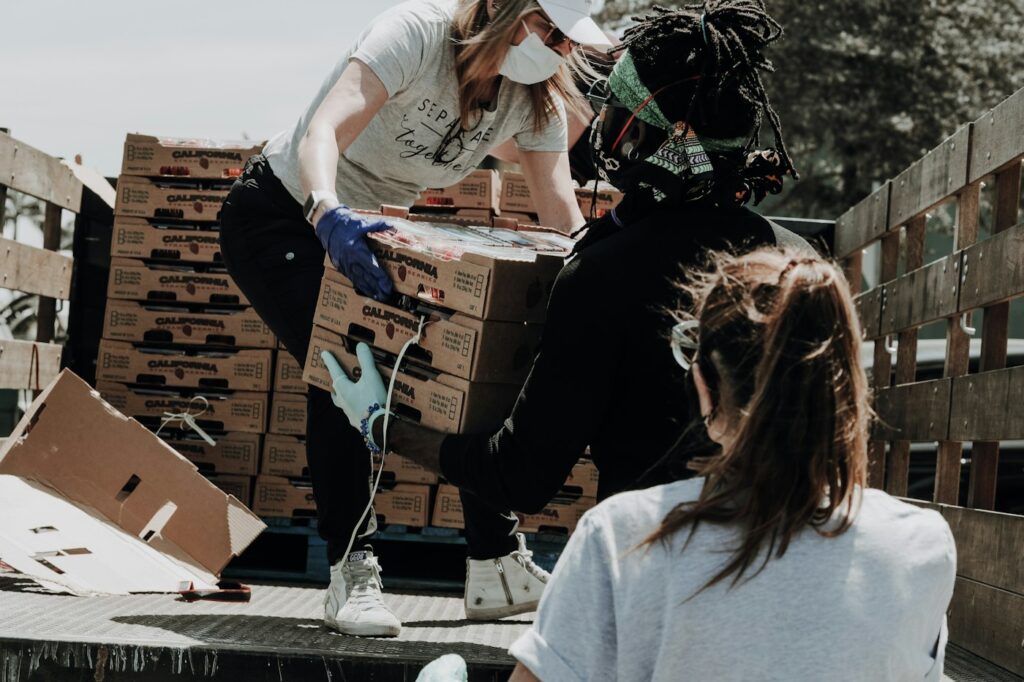
Volunteering gives you the opportunity to give back to the community and connect with like-minded people. I volunteer with organizations that distribute food and clothing to people in need. Working alongside other volunteers makes it easy to strike up conversations and start friendships. To get started, search for organizations in your community or your campus that welcome volunteers.
Faith Community
As someone who regularly attended church in Nigeria, I made it a priority to find a church near where I would live before arriving in the U.S. After I got here, I visited the church and found a whole community in itself. As time went by, I attended events the church hosted, started volunteering in service units, and met other international students and professionals through the church. If faith is part of your life, look for a faith group near you and get involved. It can be a great place to meet people who share your values.
Conclusion
Building a community in a new place takes time, and it does not happen by accident. Distance and time zones can make it hard to stay connected to the people back home, and you can get homesick when everything familiar is far away. Schedule regular check-in calls with family and friends, and use your school’s counseling services when you need support. Be patient with yourself, stay intentional, and keep showing up. Your home away from home is out there, and it starts with one hello.
About the author

Joy Ilabija is a 2026 Seyi Odewale Foundation scholar. She earned her bachelor’s degree in Biochemistry from Babcock University and is currently pursuing a graduate degree in Public Health at Johnson & Wales University.